
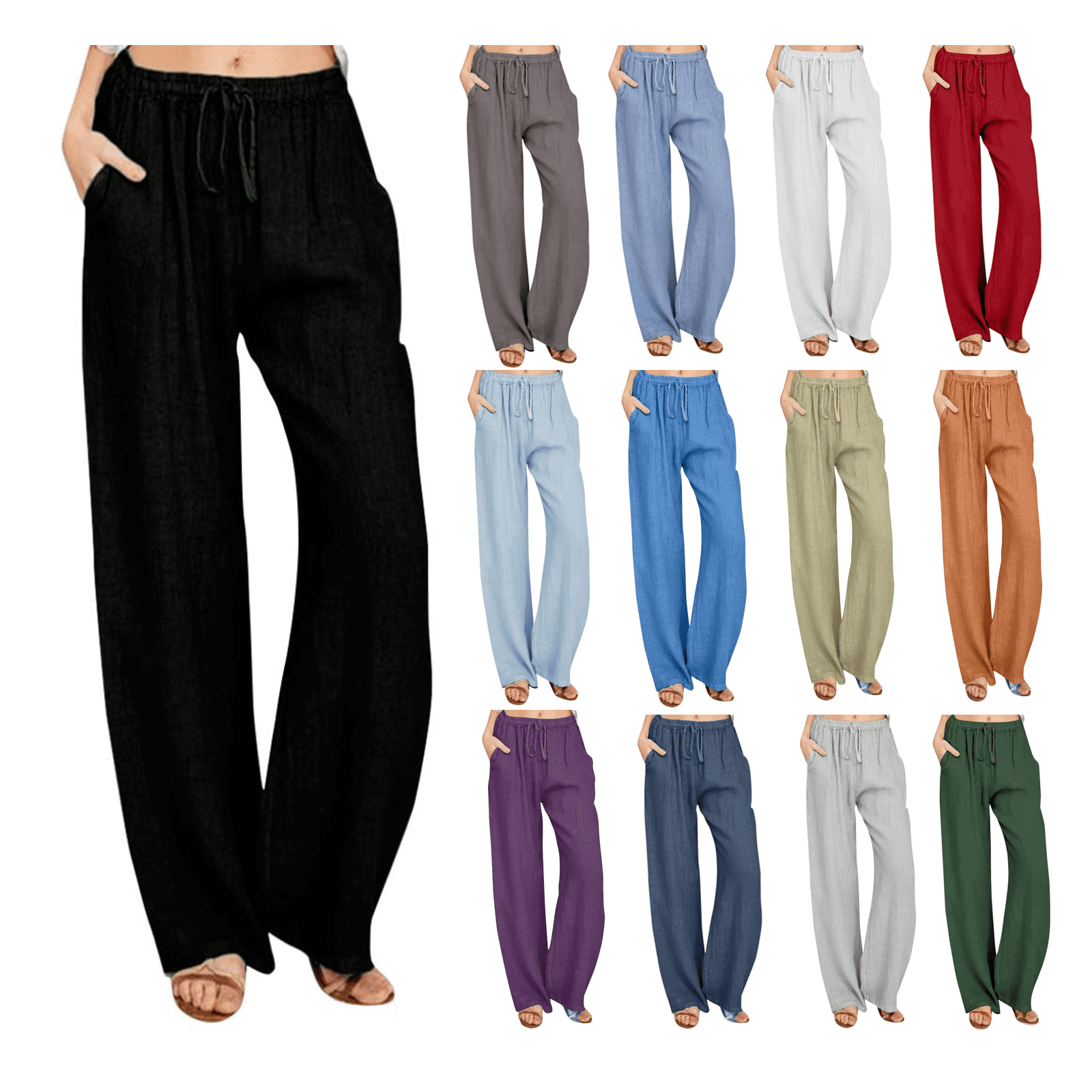
The quest for comfortable and convenient clothing has led to some interesting innovations. One such development in the world of trousers is the integration of a belt directly into the garment’s design. But are these self-belted pants a genuinely fashionable addition to your wardrobe, or just a fleeting trend destined for the clearance rack?
The Appeal of Integrated Belts
The primary allure of trousers with integrated belts lies in their simplicity. No more searching for the right belt to match your outfit, or fumbling with buckles first thing in the morning. The belt is always there, ready to go. This can be especially attractive for travel, situations where you want to minimize accessories, or for individuals who appreciate a streamlined aesthetic.
Beyond pure convenience, some integrated belt designs offer a cleaner look than traditional belts. They can be flush with the waistband, creating a more seamless silhouette. This is especially true for styles that incorporate fabric belts or D-ring closures.
What are the different types of integrated belts?
You'll find a variety of styles. Some feature a simple fabric belt that threads through loops on the waistband and ties or buckles at the front. Others use a D-ring closure system, providing an adjustable and slightly more rugged appearance. Some might even have the belt partially concealed within the waistband, offering a subtle tightening option.
Potential Drawbacks: Functionality and Style
While the idea of a built-in belt sounds appealing, there are potential pitfalls to consider. One of the biggest is adjustability. A traditional belt offers a wide range of sizing options, allowing you to fine-tune the fit of your trousers throughout the day. An integrated belt might have limited adjustment, which could be problematic if your weight fluctuates or if the pants don't fit perfectly in the first place.
Another concern is the durability of the integrated belt. A separate, high-quality leather belt can last for years. An integrated belt, especially one made of fabric, might wear out more quickly, particularly if it's subjected to frequent tightening and loosening. Repairing or replacing an integrated belt can also be more challenging and costly than simply buying a new traditional belt.
From a style perspective, the integrated belt might not always be the most versatile choice. A classic leather belt can elevate a pair of jeans or add a touch of sophistication to chinos. An integrated fabric belt, however, might look too casual for certain occasions. The specific design of the integrated belt also plays a role; a bulky or poorly executed design can detract from the overall look of the trousers.
Do pants with built-in belts work for all body types?
Not necessarily. The fixed position of the belt loops and the limited adjustability might not accommodate all body shapes comfortably. Those with shorter torsos might find the belt sits too high, while those with longer torsos might find it too low. Trying on the pants is crucial to ensure a proper and flattering fit.
When Integrated Belts Make Sense
Despite the potential downsides, there are situations where trousers with an attached belt can be a smart choice. For casual wear, such as weekend outings or travel, the convenience and streamlined look can be a definite plus. They can also be a good option for certain activities, like hiking or gardening, where you want to avoid the bulk and hassle of a traditional belt.
Consider also that some brands have put genuine effort into making high-quality self-belted pants. They use durable materials for the integrated belt, incorporate clever adjustment mechanisms, and design the belt to complement the overall style of the trousers. Doing your research and reading reviews can help you find a pair that offers both style and functionality.
How do you style clothes with built-in belt features?
Keep it simple. Because the belt is already part of the design, you don't need to worry about coordinating it with your outfit. Opt for tops that don't compete with the integrated belt. Solid-colored shirts or sweaters are generally a safe bet. Avoid overly patterned or embellished tops that could clash with the belt. Also, consider the occasion. Integrated belt pants tend to be more casual, so they might not be suitable for formal events.
The Verdict: Stylish Choice or Just a Trend?
Ultimately, whether built-in belt trousers are stylish or a gimmick depends on the specific design, the quality of the materials, and your personal preferences. A well-designed pair can be a convenient and fashionable addition to your casual wardrobe. However, poorly made or ill-fitting trousers with integrated belts can look cheap and unflattering.
Before buying, consider the factors mentioned above. Think about how often you'll wear the pants, the occasions you'll wear them for, and how well the integrated belt fits and functions. If you're looking for a versatile and long-lasting option, a traditional belt might still be the better choice. But if you prioritize convenience and are willing to invest in a high-quality pair, built-in belt pants could be a worthwhile addition to your closet. It's about finding the right balance between practicality and personal style.