
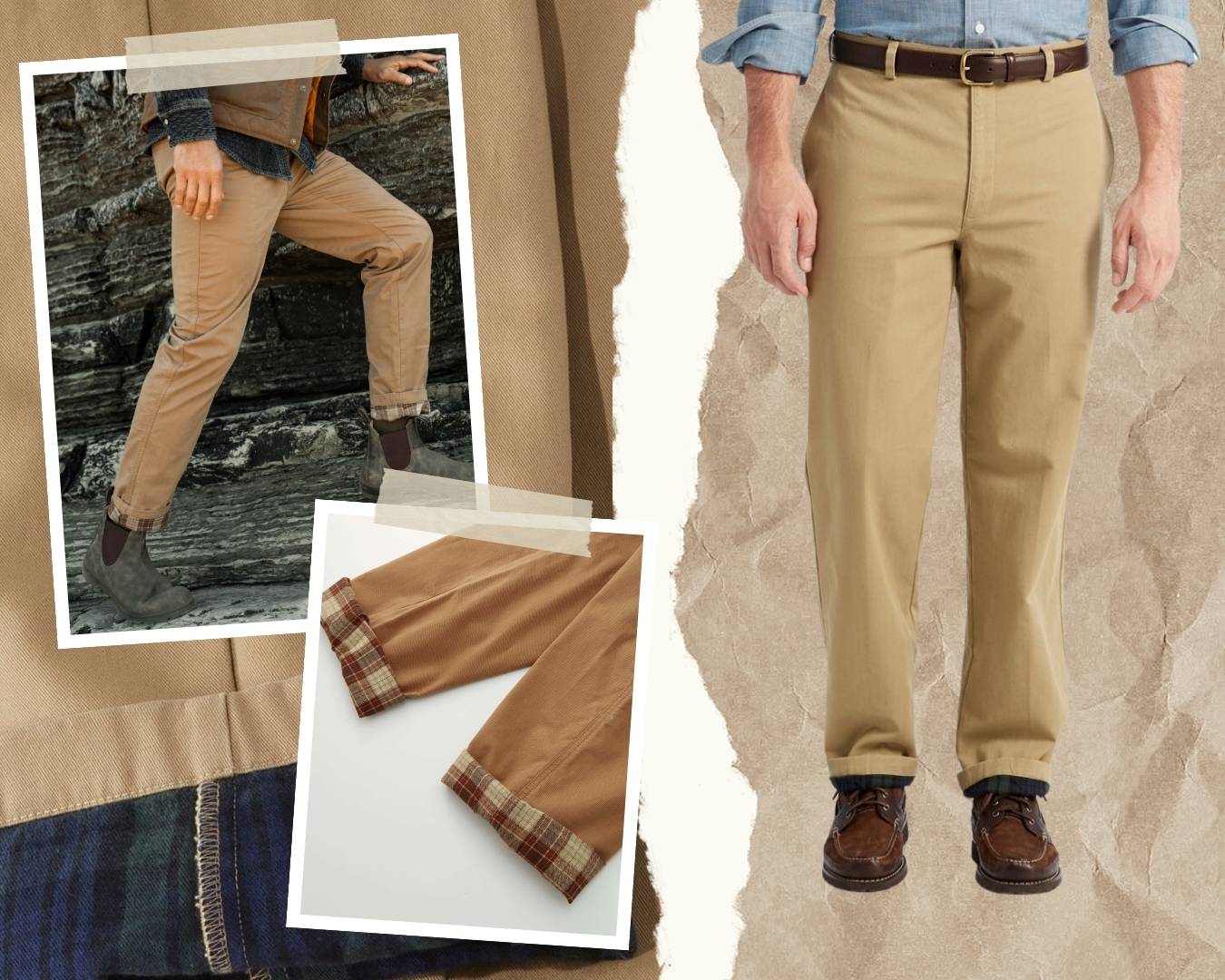
Here's the blog article:
Cozy Comfort or Winter Waste? The Truth About Warm-Lined Trousers
Winter's chill can make even a quick trip to the mailbox feel like an arctic expedition. We bundle up in layers, crank up the thermostat, and dream of warmer days. For those determined to brave the cold in comfort, insulated trousers, often with a soft flannel lining, are a tempting option. But are these pants genuinely worth the investment, or are they just another seasonal gimmick?
The answer, as with many things, isn't a simple yes or no. Whether flannel-lined pants are right for you depends on your lifestyle, your local climate, and your personal preferences. Let’s examine what makes them tick, their pros and cons, and ultimately help you decide if they’re a worthwhile addition to your winter wardrobe.
The Appeal of Flannel: More Than Just a Feeling
The primary draw of these types of pants is, without a doubt, the feeling of soft flannel against your skin. Flannel is typically made from cotton or wool, brushed to create a napped surface. This process results in a fabric that's incredibly soft, warm, and comfortable. The air pockets created by the napping trap heat, providing insulation against the cold. Think of it like a wearable hug on a blustery day.
Beyond the immediate comfort, flannel offers some practical advantages. It's absorbent, which can be beneficial if you're working or playing outdoors and prone to sweating. While not waterproof, it can wick away moisture to help keep you feeling drier than you would in unlined pants. Also, a quality flannel lining can add a layer of wind resistance, further enhancing warmth.
Considering the Drawbacks: When Warmth Becomes a Burden
Despite the cozy allure, there are some potential downsides to consider before buying flannel-lined trousers. One of the biggest is bulkiness. The added layer of flannel inevitably makes the pants thicker and less flexible. This can be a significant issue if you require a wide range of motion for work or activities. Imagine trying to shovel snow in stiff, bulky pants – not a pleasant thought.
Another consideration is breathability. While flannel can wick away some moisture, it's not as breathable as some other fabrics. In milder winter conditions or during strenuous activity, you might find yourself overheating and feeling sweaty. This can be particularly problematic if you're spending time indoors and outdoors, as the rapid temperature changes can lead to discomfort.
Furthermore, cleaning and maintenance can be more involved. Depending on the type of flannel and the outer material of the pants, they may require special washing instructions or dry cleaning. The added bulk can also make them more difficult to store and pack for travel.
Are they too warm for some environments?
The answer is often yes. If you live in a region with mild winters, where temperatures rarely dip below freezing, flannel-lined pants might be overkill. You might be more comfortable in regular jeans or trousers with a lighter thermal layer underneath. These pants are best suited for genuinely cold climates where sustained periods of freezing temperatures are the norm.
Real-World Applications: Where These Pants Shine
For those who live in colder climates or regularly spend time outdoors in the winter, flannel-lined trousers can be a game-changer. They’re a great choice for activities like:
- Outdoor work: Construction workers, ranchers, and anyone who spends their days outside will appreciate the added warmth and protection.
- Winter sports: While not ideal for high-intensity activities like skiing, they can be perfect for snowshoeing, ice fishing, or simply watching a winter sporting event.
- Everyday wear in frigid temperatures: Running errands, walking the dog, or commuting to work on a freezing day can be much more bearable with the extra layer of insulation.
- Relaxing at home: On especially cold days, these pants can be incredibly comfortable for lounging around the house.
Compare these to situations where they might not be ideal. A business meeting? Probably not the best choice. A crowded shopping mall? You might overheat quickly. A rigorous hike? Look for something more breathable and flexible.
What's the best way to care for them?
Always check the care label before washing. In general, it's best to wash flannel-lined pants inside out in cold water with a mild detergent. Avoid using bleach, as it can damage the fabric. Tumble dry on low heat or hang them to dry. Avoid ironing unless absolutely necessary, and if you do iron, use a low setting.
Making the Decision: Are They Worth It For You?
Ultimately, deciding whether flannel-lined pants are worth it comes down to a personal assessment. Consider these questions:
- What is your local climate like? Are winters mild, moderate, or severely cold?
- What activities will you be doing while wearing them? Will you be primarily indoors or outdoors? Will you be engaging in strenuous activity or more relaxed pursuits?
- What is your personal preference for comfort and style? Do you prioritize warmth and comfort over fashion and flexibility?
- What is your budget? Flannel-lined pants can range in price from affordable to quite expensive, depending on the quality of the materials and construction.
If you live in a cold climate, spend a lot of time outdoors, and prioritize warmth and comfort, then investing in a pair of quality flannel-lined pants could be a worthwhile decision. You might find the investment well worth the increased comfort and warmth they offer during the coldest months.
What are some good brands to consider?
Many reputable brands offer flannel-lined pants. Some popular options include L.L.Bean, Carhartt, Duluth Trading Company, and Eddie Bauer. Look for pants made with high-quality materials and durable construction. Reading online reviews can provide valuable insights into the real-world performance of different brands and styles.
On the other hand, if you live in a milder climate, primarily stay indoors, or prioritize style and flexibility, you might be better off with alternative options like layering or wearing regular pants with thermal underwear.
Personally, I find a good pair of sturdy, warm-lined trousers to be essential for surviving those January and February days when the windchill makes your bones ache. I love the feeling of pulling them on before heading out to shovel the driveway or take the dog for a walk. They're not the most fashionable item in my wardrobe, but they definitely earn their keep when the temperatures plummet.