
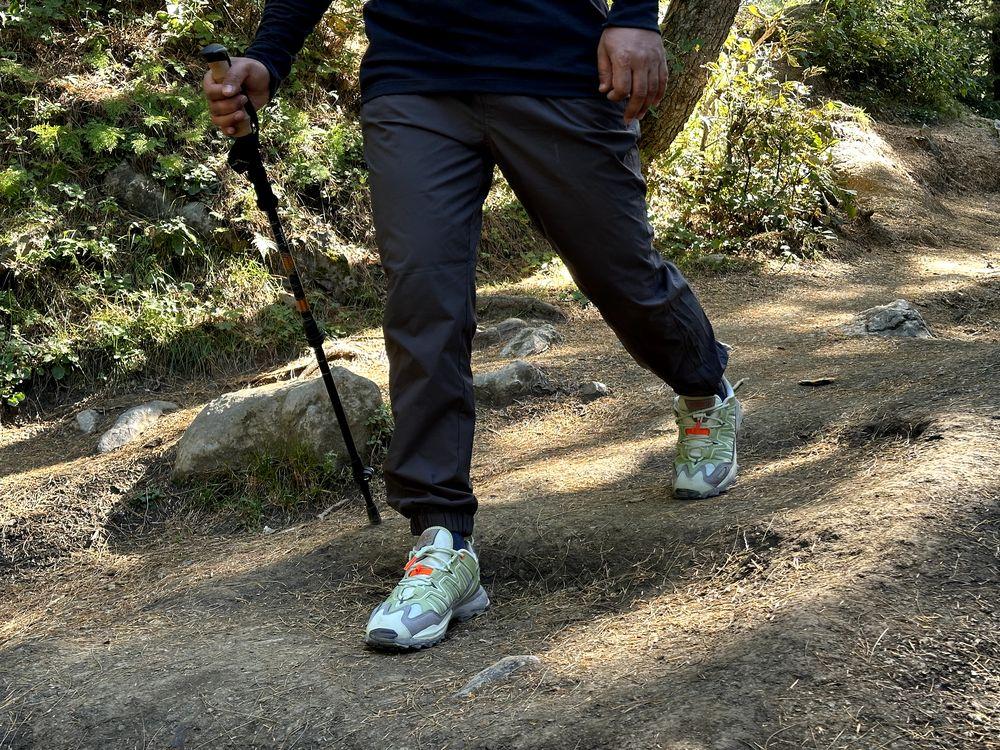
Hiking in muggy, sticky conditions can quickly turn an enjoyable outdoor adventure into an exercise in misery if you're not properly prepared. And while many focus on shirts and base layers, the unsung hero of humid-weather comfort is often your hiking pants. Picking the correct legwear can be the difference between a comfortable trek and a soggy, chafing nightmare.
Understanding the Challenges of Humid Hiking
Humid weather presents several unique challenges when it comes to hiking apparel. The most obvious is moisture. Sweat, combined with environmental humidity, creates a damp environment next to your skin. This constant wetness can lead to chafing, blisters, and a generally uncomfortable feeling. Furthermore, wet fabric loses its insulating properties, making you feel colder even when the temperature is high. Finally, heavy, wet clothing restricts movement, making each step feel more labored.
The key to conquering these challenges is choosing hiking pants made from materials that excel in moisture management, breathability, and quick-drying capabilities.
Material Matters: The Best Fabrics for Humidity
The fabric of your hiking pants is arguably the most important factor to consider when tackling humid conditions. Here's a breakdown of some common materials and their suitability: Synthetic Fabrics (Nylon, Polyester):These are generally the top choices for humid climates. Nylon and polyester are naturally hydrophobic, meaning they repel water rather than absorbing it. They also tend to be very breathable, allowing moisture vapor to escape. Look for versions that are specifically designed for performance, such as ripstop nylon (durable and lightweight) or polyester blends with added moisture-wicking treatments. The downside can be odor retention; synthetics can sometimes become smelly after extended use.
Merino Wool: While often associated with cold-weather gear, merino wool can actually perform surprisingly well in warmer, humid conditions. Merino is excellent at wicking moisture away from the skin and has natural antimicrobial properties that help prevent odor buildup. It's also breathable and offers a good degree of temperature regulation. However, merino wool can be more expensive than synthetics and may not be as durable, especially when repeatedly exposed to abrasion.
Cotton: Avoid cotton like the plague in humid weather! Cotton absorbs moisture like a sponge and is incredibly slow to dry. Wet cotton becomes heavy, clingy, and can quickly lead to chills. It also provides a breeding ground for bacteria, increasing the risk of skin irritation and odor.
Blends: Many hiking pants utilize fabric blends, combining the best properties of different materials. For example, a nylon-spandex blend can offer durability, stretch, and moisture-wicking. Polyester-merino wool blends are another common option, providing a balance of performance and comfort.
What does "moisture-wicking" actually mean?
Essentially, moisture-wicking fabrics have a structure that allows them to pull sweat away from your skin and spread it across the surface of the fabric, where it can evaporate more quickly. This keeps you feeling drier and more comfortable.
Key Features to Look For
Beyond the fabric itself, several other features can enhance the performance of hiking pants in humid environments: Breathability:Look for pants with features that promote airflow, such as mesh vents, strategically placed perforations, or a looser fit.
Quick-Drying Properties: The faster your pants dry, the less likely you are to experience chafing and discomfort. Choose fabrics that are known for their quick-drying capabilities, like nylon or polyester.
Convertible Pants (Zip-Off Legs): These offer versatility, allowing you to switch between long pants and shorts depending on the temperature and humidity levels.
Articulated Knees: These provide a greater range of motion and prevent the pants from restricting your movement, especially when hiking uphill or over uneven terrain.
Pockets: Look for pants with ample pockets to store essentials like your phone, map, snacks, and sunscreen. Zippered pockets are especially useful for keeping valuables secure.
Sun Protection (UPF Rating): Humid conditions are often accompanied by intense sun exposure. Choose pants with a UPF (Ultraviolet Protection Factor) rating to shield your skin from harmful UV rays.
Dark Colors vs. Light Colors: While dark colors might seem like a bad idea in hot weather, they can actually be beneficial in areas with biting insects. Light-colored clothing tends to attract mosquitoes and other bugs. However, lighter colors reflect the sun better, which can help keep you cooler. The choice depends on the specific environment you'll be hiking in.
Pant Styles: Finding the Right Fit
The style of your hiking pants can also impact your comfort in humid weather.
Loose-Fitting Pants: Generally, a looser fit is preferable in humid conditions. This allows for better airflow and prevents the fabric from clinging to your skin.
Slim-Fit or Athletic-Fit Pants: These can be a good option if you prefer a more streamlined look, but make sure they are made from a highly breathable and moisture-wicking fabric.
Hiking Tights/Leggings: These can work well as a base layer or on their own in less humid conditions, but they may not be the best choice for very sticky environments. Opt for lightweight, breathable options with good moisture-wicking properties.
Are hiking pants worth the investment? Can't I just wear regular athletic pants?
While youcanwear regular athletic pants, hiking pants are specifically designed for the rigors of the trail. They offer features like enhanced durability, abrasion resistance, and specialized pockets that you won't find in standard athletic wear. In the long run, investing in a good pair of hiking pants will likely be worth it.
Real-World Examples and Recommendations
Here are a few examples of pants that are well-suited for hiking in humid weather, based on personal experience and reputation (remember to always check recent reviews before purchasing): pr Ana Zion Stretch Pants: These are a popular choice for their durability, comfort, and quick-drying properties. They're made from a durable nylon-spandex blend and feature articulated knees, plenty of pockets, and a UPF rating. Outdoor Research Ferrosi Pants: These pants are known for their excellent breathability and wind resistance. They're made from a lightweight and stretchy fabric that dries quickly. REI Co-op Sahara Convertible Pants:A classic for a reason. These pants are versatile, affordable, and offer good overall performance. The zip-off legs make them a great option for fluctuating temperatures.
Before making a purchase, consider reading reviews from other hikers who have used the pants in similar conditions. Pay attention to comments about breathability, moisture-wicking, and durability.
Ultimately, the best hiking pants for humid weather are the ones that keep you comfortable, dry, and protected from the elements. With careful consideration of fabric, features, and fit, you can find the perfect pair to conquer even the stickiest trails. Don’t be afraid to experiment and find what works best for your individual needs and preferences. A little research and a thoughtful purchase can transform your hiking experience from a sweaty slog to an enjoyable outdoor escape.