
Knowing when to accessorize your trousers with a belt, and when to skip it, can feel like navigating a fashion minefield. The choice significantly impacts your overall silhouette and the statement you're trying to make. It boils down to understanding the nuances of different waistband styles and how they interact with your personal style.
Navigating the Belt Aisle: When to Cinch and When to Ditch
The primary function of a belt is, of course, to hold up your pants. But it's also a key accessory that can elevate or detract from your outfit. So, whenshouldyou buckle up?
When your pants are too loose: This seems obvious, but it’s worth stating. If your pants are constantly slipping, a belt is a must. Even a slightly loose fit can benefit from a belt, creating a cleaner line and preventing that awkward "saggy pants" look.
When your outfit needs a visual anchor: Sometimes, an outfit can feel a bit…blah. A belt can break up a monochromatic look or add a pop of color or texture. Think of it as a punctuation mark for your outfit.
When your pants have belt loops: This is a good general rule. Belt loops are there for a reason! Leaving them empty can look unfinished or sloppy, especially in more formal settings. However, there are exceptions, which we'll explore later.
When you want to define your waist: A belt, particularly a wider one, can cinch your waist and create a more hourglass-like silhouette. This is especially effective with dresses or skirts, but it can also work with high-waisted pants.
But What About the Belt Itself?
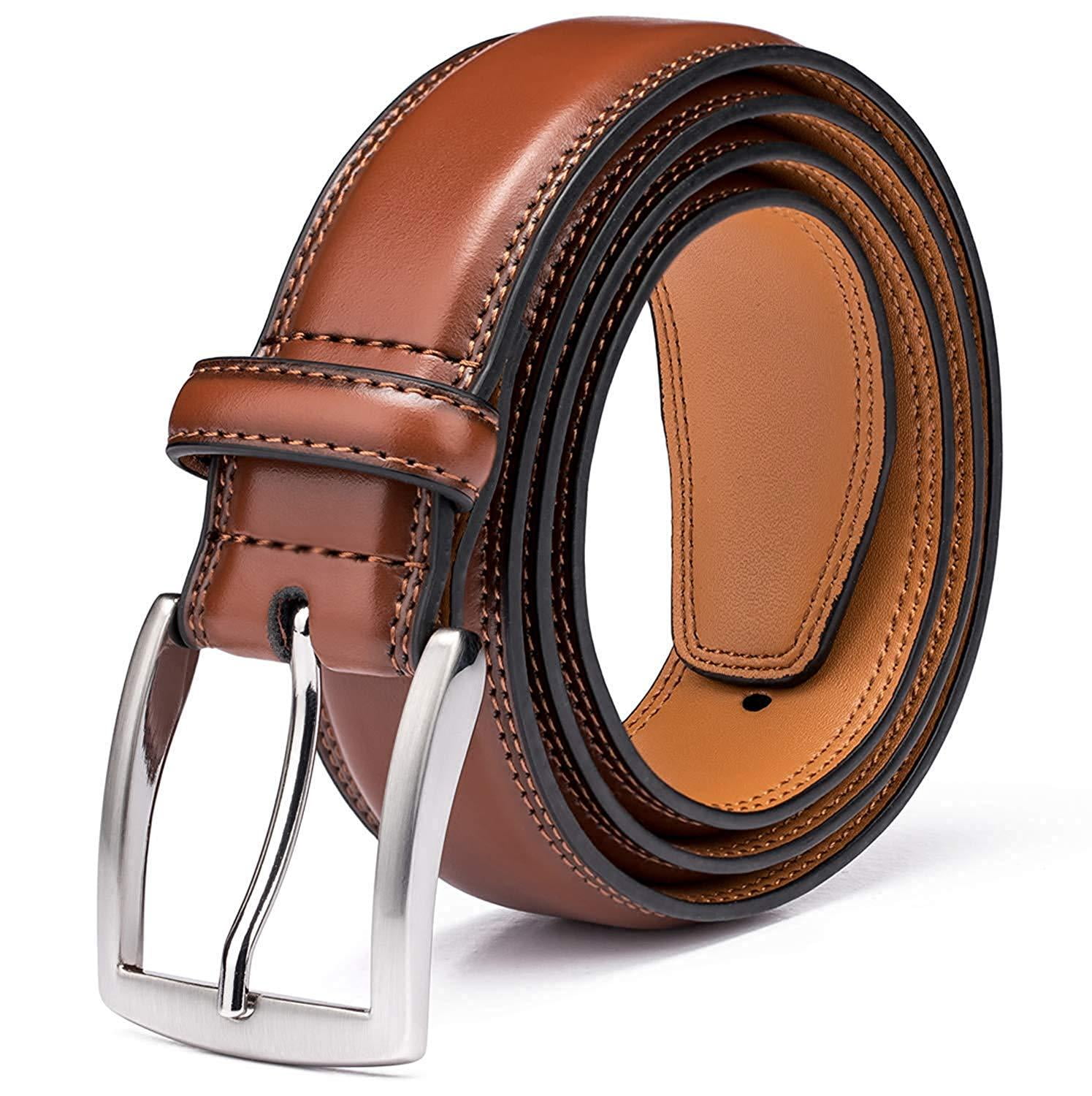
Choosing the right belt is just as important as deciding whether or not to wear one. The color should complement your outfit – matching your shoes is a classic (though not always mandatory) approach. The width should be proportional to the belt loops and your overall frame. A skinny belt on wide loops looks odd, and a thick belt can overwhelm a petite frame.
The Case for Going Beltless: Freedom and Style
There are plenty of situations where ditching the belt is the superior choice. It can create a more relaxed, effortless vibe and is often preferable with certain types of pants.
When your pants fit perfectly: If your pants sit comfortably on your hips without needing any assistance, congratulations! You've achieved the holy grail of pant-fitting. A belt would be superfluous and might even detract from the clean lines of your perfectly fitted trousers.
When your pants have a structured or detailed waistband: Some pants feature interesting waistband details like pleats, ruffles, or intricate closures. Adding a belt would only conceal these details and create visual clutter.
When you're aiming for a minimalist look: Sometimes, less is more. Skipping the belt can contribute to a clean, understated aesthetic. This is especially true with tailored trousers and simple tops.
With elasticated or drawstring waistbands: Let's be honest, these are designed for comfort and ease. Adding a belt to elasticated or drawstring pants feels redundant and can even be uncomfortable. Embrace the relaxed vibe!
When wearing high-waisted pants with a tucked-in top: If your top is neatly tucked into high-waisted pants, a belt might be unnecessary. The tucked-in top already accentuates your waist, and adding a belt could feel like overkill. Consider this outfit with a belt versus without – which looks more balanced?
Decoding Different Waistband Styles
The waistband is a crucial factor in the "belt or no belt" decision. Let's break down some common waistband styles and how to style them.
Standard Waistband with Belt Loops: This is the most common type. The rule of thumb is to wear a belt unless the pants fit perfectly and you're going for a very casual look. Consider the formality of the occasion: a job interview demands a belt; a casual weekend brunch might not.
High-Waisted Waistband: As mentioned above, high-waisted pants can go either way. If the fit is perfect and you're wearing a tucked-in top, skip the belt. If the pants are slightly loose or you want to add a pop of color, a belt can be a great addition.
Elasticated Waistband: Almost always a no-belt zone. These are designed for comfort and a relaxed fit. Adding a belt would be both unnecessary and potentially uncomfortable.
Drawstring Waistband: Similar to elasticated waistbands, drawstring pants are typically best left unbelted. They’re inherently casual, and a belt would disrupt the intended aesthetic.
Tab Waistband (with side adjusters): These pants feature adjustable tabs on the sides of the waistband, allowing you to customize the fit without a belt. They're a stylish alternative to belts and create a cleaner, more streamlined look.
Belted Waistband (integrated belt): Some pants come with a built-in belt or tie. In these cases, adding another belt would be redundant and visually overwhelming.
People Also Ask: When can I ignore belt loops?
While belt loops generally indicate that a belt should be worn, there are exceptions. If you're confident in the fit of your pants, and you're going for a very casual look, you can sometimes get away with skipping the belt, even with belt loops. However, be mindful of the occasion and the overall impression you're creating.
People Also Ask: Does my body shape matter when deciding?
Yes, absolutely! Belts can be powerful tools for defining your waist and balancing your proportions. If you have a straighter figure, a belt can help create the illusion of curves. If you have a naturally curvy figure, a belt can accentuate your waist and create a more defined silhouette. Experiment to see what works best for your body type.
People Also Ask: What about suspenders instead of a belt?
Suspenders (or braces) are a stylish alternative to belts, particularly for more formal occasions. They offer a classic, sophisticated look. Just be sure to choose suspenders that complement your outfit and fit properly. Also, it's generally considered a faux pas to wear both a belt and suspenders at the same time.
Ultimately, the decision of whether to wear a belt or not is a personal one. There are no hard and fast rules, and fashion is all about experimenting and finding what works best for you. Consider the fit of your pants, the style of the waistband, the overall aesthetic you're aiming for, and your own personal preferences. With a little practice, you'll develop a sense of what looks and feels right.